
Friday, April 20, 2018
Pharyngeal Arches, Clefts, and Pouches
For some reason, this doesn't stick in my head unless I draw it all out in one diagram. Hope it helps!


Friday, April 13, 2018
Wednesday, April 4, 2018


Wednesday, March 28, 2018
Heart Murmurs Review
Here's a playlist I made from a few Youtube videos. Heart Murmurs Many thanks to Thinklabs for having so many examples.
Of course we also need to know how they change with maneuvers.


Of course we also need to know how they change with maneuvers.


Monday, March 26, 2018
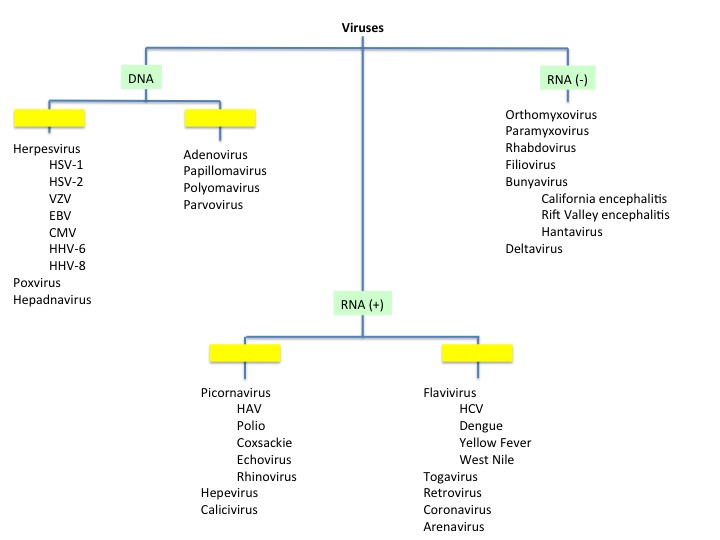
Microbiology Review
I've attached some charts for microbiology. The yellow boxes are for characteristics that are used to differentiate species. It's also a good idea to add notes on each bug. ^.^


Tuesday, March 6, 2018
Review Questions
A 55 yo patient presents to the ER with subacute endocarditis. Patient’s history was significant for a recent dental procedure. What allows for the organism to bind to damaged heart valves?
A. Pili
B. Dextrans
C. Biofilm
D. TSST-1
E. Protein A
A 6 month old child presents to the clinic with hypotonia. History was significant for ingestion of honey containing spores of a gram (+) rod. What is the mechanism of the toxin produce by this organism?
A) cleavage of SNARE protein inhibiting GABA release
B) damage of cell membranes
C) inhibition of Ach release
D) depolymerization of actin
E) ADP-ribosylation of EF-2
A 10 yo patient presents to the clinic with hematuria. 2 weeks ago, patient had a honey crusted lesion on his face but did not see a physician. Another infection by this organism is pharyngitis. A complication of pharyngitis is a result of antibodies to which portion of the organism?
A. Capsule
B. Protein A
C. Cell wall
D. M protein
E. Erythrogenic toxin
22yo female presents with fatigue for the past few days. Patient became a vegetarian 3 months ago. Blood tests show a decreased MCV but normal ferritin. Patients experienced no other symptoms. What is the cause of RBC damage in this condition?
A) lack of membrane protein that anchors DAF
B) glutamate to valine mutation
C) iron deficiency
D) tetramers of excess globin chains
E) Vitamin B12 deficiency
B
C
D
D
A. Pili
B. Dextrans
C. Biofilm
D. TSST-1
E. Protein A
A 6 month old child presents to the clinic with hypotonia. History was significant for ingestion of honey containing spores of a gram (+) rod. What is the mechanism of the toxin produce by this organism?
A) cleavage of SNARE protein inhibiting GABA release
B) damage of cell membranes
C) inhibition of Ach release
D) depolymerization of actin
E) ADP-ribosylation of EF-2
A 10 yo patient presents to the clinic with hematuria. 2 weeks ago, patient had a honey crusted lesion on his face but did not see a physician. Another infection by this organism is pharyngitis. A complication of pharyngitis is a result of antibodies to which portion of the organism?
A. Capsule
B. Protein A
C. Cell wall
D. M protein
E. Erythrogenic toxin
22yo female presents with fatigue for the past few days. Patient became a vegetarian 3 months ago. Blood tests show a decreased MCV but normal ferritin. Patients experienced no other symptoms. What is the cause of RBC damage in this condition?
A) lack of membrane protein that anchors DAF
B) glutamate to valine mutation
C) iron deficiency
D) tetramers of excess globin chains
E) Vitamin B12 deficiency
B
C
D
D
Saturday, March 3, 2018
Heparin + Warfarin
Why do we give heparin before starting long-term warfarin? Warfarin knocks out Vitamin K epoxide reductase in the liver. This decreases factors 2, 7, 9 and 10. It also decreases protein C and S, which inactivate the coagulation cascade. Although synthesis is stopped, there are still pre-existing factors within the blood. The first ones to decrease are protein C and S. Uh oh...that means you still have coagulation factors floating around and nothing to stop them. This hypercoagulable state could result in skin necrosis! Not to worry. This is why we give heparin to transition the patient onto warfarin therapy. What does heparin do? It binds to antithrombin 3 which inhibits factors 2 and 10.
Subscribe to:
Posts (Atom)